How to Choose the Best Solar Panel Connectors for Your Needs?
Selecting the right Solar Panel Connectors is crucial for any solar installation. According to the Solar Energy Industries Association (SEIA), the U.S. solar market grew by 33% in 2020 alone. This rapid growth brings new challenges in technology and compatibility. Choosing inadequate connectors can lead to losses in efficiency and safety concerns.
Solar panel connectors ensure a reliable connection between panels and other components. The wrong connector may cause overheating or energy loss. Studies suggest that nearly 15% of solar installations face issues related to improper connectors. It's vital to consider both the technical specifications and environmental conditions when selecting connectors.
Fitness for purpose is key. Different applications may require different types of solar panel connectors. For example, connectors used for residential systems may not suffice in commercial setups. Therefore, evaluating your specific needs and the context of your installation remains essential. This decision impacts not just performance, but longevity and safety too.
Understanding the Different Types of Solar Panel Connectors Available
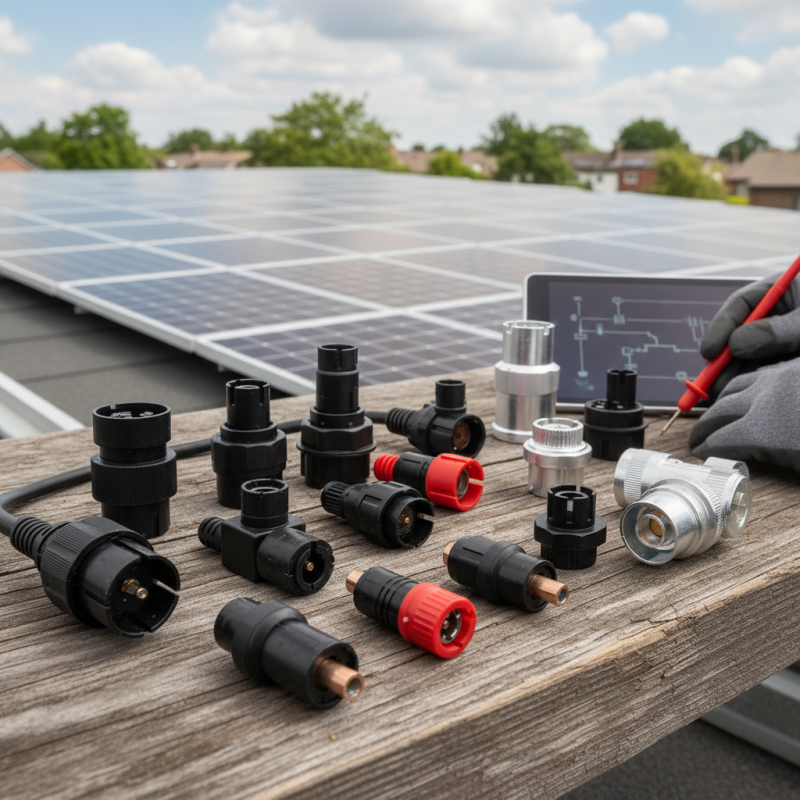
When selecting solar panel connectors, it’s crucial to understand the various types available. Solar connectors play a vital role in ensuring that your solar energy system operates efficiently. Common types include MC4 connectors, which are widely used due to their durability and weather resistance. These connectors are designed to withstand extreme environmental conditions, making them a popular choice for outdoor installations.
Another type is the Tyco connector, known for its excellent connection reliability. While it may not be as prevalent as MC4, it’s often favored in specialized applications. Additionally, consider the differences between male and female connectors. Male connectors have protruding pins, while female connectors feature receptacles. This distinction can impact the ease of installation and maintenance.
Choosing the right connector also involves thinking about compatibility. Not all connectors work well with every panel type, which can lead to inefficiency. It’s worth noting that improper connections might lead to energy loss or equipment damage. It's essential to assess your system’s needs before making a decision. Reflecting on your unique setup can guide you to the best choice.
Key Factors to Consider When Selecting Solar Panel Connectors
When selecting solar panel connectors, several key factors must guide your choice. First, consider the connector type. Most solar systems employ MC4 connectors, known for their reliability and secure fit. However, it’s essential to ensure compatibility with your solar panels and inverter. A mismatch may lead to performance issues or safety hazards.
Another crucial factor is the climate of your installation site. Different connectors are rated for various environmental conditions. If you live in an area with extreme temperatures or high humidity, select connectors designed for such environments. This choice can significantly impact your system's longevity and efficiency.
Tips: Check the rating for waterproofing. High-quality connectors should have an IP rating of at least IP67. Also, ensure UV resistance to prevent degradation over time. Inspect for any signs of wear or damage before installation. A little caution now can save you from costly repairs later.
Evaluating the Electrical Ratings of Solar Connectors for Safety and Performance
When selecting solar panel connectors, evaluating electrical ratings is crucial for both safety and performance. Connectors are vital components that ensure a reliable electrical connection between solar panels and inverters. A mismatch in ratings can lead to overheating and disconnects. Different applications require varied ratings, so understanding your needs is essential.
Voltage ratings dictate how much electricity can safely pass through the connectors. Choosing connectors with a higher voltage rating than your system's requirements adds a layer of safety. This is particularly important in high-efficiency systems. The current rating is equally significant. Connectors should handle the peak current without risk. Regularly inspecting connectors for signs of wear or corrosion is advisable. Damage can compromise their performance and safety.
Temperature ratings should not be overlooked. Solar connectors may be exposed to extreme weather. Their ability to withstand these conditions is fundamental for longevity. Many users forget this aspect and face issues later. Furthermore, consider the material quality. Some connectors are less reliable over time. Always consult with knowledgeable sources for guidance on suitable ratings for your specific application. Pay attention to these nuances and refine your choices accordingly.
Comparing Weather Resistance Standards for Outdoor Solar Connectors
Choosing the right solar panel connectors involves understanding their weather resistance. Connectors must endure moisture, dust, and temperature fluctuations. Industry studies indicate that over 50% of solar panel failures are due to subpar connections.
Look for connectors rated at least IP67 for dust and water resistance. This rating ensures functionality even in harsh weather. Materials should be high-quality, such as UV-resistant thermoplastics, to prolong lifespan. Testing shows that connectors with these attributes can last up to 25 years in outdoor settings.
Tips: Always check connectors during installation. Ensure they are securely fitted. Waterproofing should not be overlooked. Regularly inspect for signs of wear, especially after storms. This proactive approach can save on costly replacements later. Remember, a small oversight can lead to significant issues down the line.
Cost-Benefit Analysis: Investing in Quality Solar Panel Connectors
When investing in solar panel connectors, a cost-benefit analysis can reveal valuable insights. High-quality connectors may have a higher upfront cost. However, they often provide long-term benefits. Durable connectors withstand harsh weather, improving system reliability. Cheaper alternatives might fail sooner, leading to increased maintenance expenses.
Consider installation ease as well. Quality connectors are often easier to install, reducing labor costs. A reliable connection can enhance energy efficiency. Assessing the total lifespan of connectors is essential. Lower initial costs may obscure hidden long-term expenses. Investing wisely could yield significant savings over time.
Reflect on your specific needs. Are you focusing on efficiency, durability, or budget constraints? Understanding your priorities helps guide your decision. Poor choices today could lead to frustration later. Quality connectors can improve system performance and longevity. Investing in durable solutions pays off, even if it requires a steeper initial investment.