How to Choose the Best EV Coolant Heater for Your Vehicle?
Choosing the best Ev Coolant Heater for your vehicle is crucial for ensuring optimal battery performance. Data shows that the efficiency of electric vehicles (EVs) can drop by over 30% in cold weather. This highlights the importance of a reliable EV coolant heater. The right system maintains battery temperature and provides better efficiency.
Many consumers overlook this essential component in their EV purchasing decisions. They often don’t realize how a quality EV coolant heater can enhance performance. A poorly chosen heater can lead to increased energy consumption or, worse, performance issues.
Experts recommend evaluating heater types and capacity. A study from the Electric Vehicle Association indicates that vehicles with efficient coolant heaters achieve significant energy savings. Understanding your needs can help you make an informed choice. Every detail matters when it comes to EV performance, especially in varying climates.
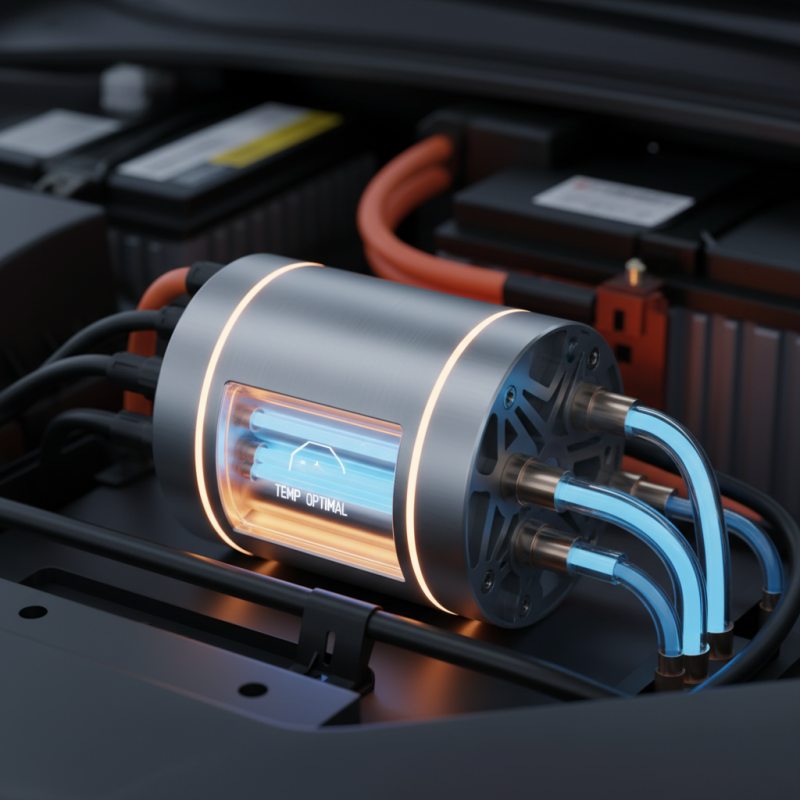
How EV Coolant Heaters Improve Electric Vehicle Performance
Electric vehicle (EV) performance largely depends on temperature management. EV coolant heaters play a crucial role in this aspect. They heat the coolant fluid to optimal levels. This ensures efficient battery operation and improved range. Cold temperatures can hinder battery efficiency. By keeping the coolant warm, these heaters help maintain performance.
When considering an EV coolant heater, compatibility is vital. Not all heaters work with every vehicle model. Research and read installation guides carefully. The right heater enhances performance. However, improper choices can lead to issues. It's frustrating when equipment doesn’t fit or function as expected.
Many users overlook maintenance after installation. Regular checks are essential for long-term effectiveness. Issues may arise if the heater isn’t monitored. Ultimately, careful selection and upkeep of an EV coolant heater can significantly elevate your driving experience.
Understanding Different Types of EV Coolant Heaters Available in the Market
When choosing an EV coolant heater, understanding the available types is essential. There are several designs to consider. Some heaters heat the coolant directly, while others use a heat exchanger system. Direct heaters often provide faster heating and better performance in extreme conditions. In contrast, heat exchangers are usually more efficient in managing energy.
Tips: Always check the compatibility of the heater with your vehicle model. Some vehicles may need specific fittings. Research the specifications carefully.
Another type of heater is the immersion heater. These are placed directly into the coolant tank. This design can be less efficient than direct heaters but is often easier to install. Also, look for heaters with adjustable settings. This feature can help you conserve energy when full heating isn’t necessary.
Tips: Consider installation ease. If you are not handy, it’s better to choose models with straightforward installation processes. Some may require professional help, leading to extra costs.
Key Specifications to Consider When Selecting an EV Coolant Heater
When choosing an EV coolant heater, certain specifications deserve your attention. Look for power output, measured in watts. A heater with higher wattage heats fluids quickly. However, don’t overlook efficiency ratings. An efficient heater saves energy over time. Ensure it matches your vehicle’s needs for optimal performance.
Another important factor is the heating method. Different heaters use various techniques, like resistive or inductive heating. Resistive heaters tend to be simpler but may take longer. Inductive heaters can be faster but might require more technology. Evaluate which method suits your driving habits and climate conditions.
Keep in mind installation guidelines. Some heaters require professional setup, while others are DIY-friendly. The complexity can affect your choice. Also, consider the heater's size. It must fit your vehicle without obstructing other components. Finding the right balance between size and performance is essential. You might go for one that promises high efficiency but doesn’t fit well. It’s a learning process—reflecting on what works may help you refine your choices.
EV Coolant Heater Specifications Comparison
This bar chart compares different specifications of EV coolant heaters, including power output, heating time, weight, and price, allowing you to gauge which heater may best fit your vehicle's needs.
Evaluating Energy Efficiency Ratings for Optimal Energy Use in EVs
When selecting an EV coolant heater, energy efficiency is crucial. Understanding how these heaters impact energy consumption helps optimize electric vehicle performance. According to a recent industry report, efficient heaters can enhance range by up to 15%. This statistic reveals the importance of choosing a product that minimizes energy waste.
Most EV coolant heaters draw significant power, ranging from 1-3 kW. A heater consuming 2 kW can increase energy use substantially if the vehicle runs on a limited battery range. While higher output heaters can heat up vehicles quickly, they also deplete battery life faster. Striking a balance between quick heating and energy efficiency is essential.
Evaluating the energy efficiency rating of heaters requires a closer look. Ratings often range from A to D, with A being the most efficient. A poorly rated heater might not only lead to faster battery drain but also result in higher emissions if the energy source is not renewable. Spending time on research can pay off, as better choices can lead to improved performance and sustainability.
Installation and Maintenance Tips for Longevity of EV Coolant Heaters
When considering your EV coolant heater, installation and maintenance are crucial for optimal performance. Proper installation ensures reliable operation. Carefully follow the manufacturer’s guidelines. Make sure all connections are secure, preventing leaks. A small mistake during setup can lead to major issues later.
Regular maintenance extends the life of your coolant heater. Inspect it periodically for signs of wear. Look for corrosion or loose connections. Clean any dust and debris that accumulates around the heater. This helps maintain efficiency. It’s easy to forget these tasks, but neglecting them can reduce lifespan.
Tips: Always check the coolant level. This simple step can prevent overheating. Consider using a multimeter to test electrical connections. This helps catch problems early. Keeping a log of maintenance can also be beneficial. It reminds you when services are due.