How to Choose the Right Photovoltaic Connectors for Your Project?
Choosing the right Photovoltaic connectors is essential for any solar project. These connectors facilitate the electrical connection between solar panels and other system components. Selecting the wrong type can lead to inefficiencies and potential failures.
Photovoltaic connectors come in various styles and specifications. It’s crucial to evaluate your specific needs before making a decision. Factors such as voltage ratings, environmental conditions, and installation requirements must be considered. A poorly chosen connector can cause issues like overheating or water ingress.
Consider the long-term implications of your choice. Will the connectors withstand harsh weather? Are they compatible with your solar panels? Reflecting on these questions will guide you in making informed decisions. Every detail matters, and the right photovoltaic connectors can ensure the system operates smoothly and efficiently.
Types of Photovoltaic Connectors and Their Applications
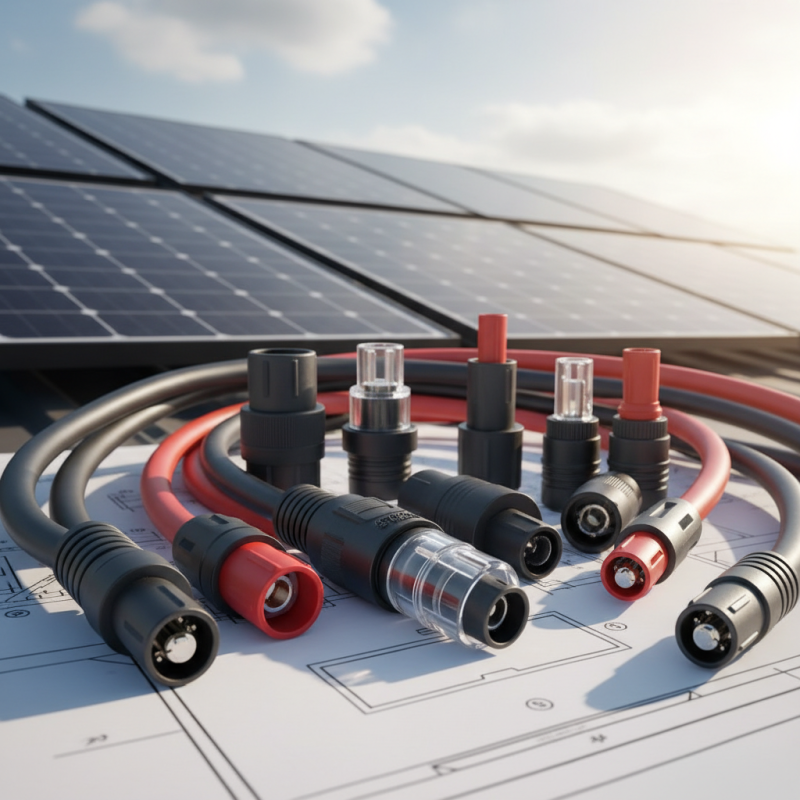
When selecting photovoltaic connectors, understanding their types is crucial. There are several common types, each with specific applications. MC4 connectors are popular for their ease of use. They offer secure connections in outdoor settings. Their reliability makes them suitable for large installations.
Another type is the T4 connector. This connector is often used in smaller PV systems. It is known for its compact design and versatility. However, some users report difficulties during installation. It’s essential to consider the environment when choosing connectors. Extreme temperatures can affect their performance.
Tips: Always check the specifications before purchasing. Ensure the connectors are compatible with your panels. Test connections routinely to avoid future issues. Pay attention to the material used. Plastic connectors may degrade faster than metal ones. Consider the installation process. Some connectors require special tools, adding complexity. Remember, your choice impacts the system's efficiency. Choosing wisely can save time and money.
Factors to Consider When Selecting Photovoltaic Connectors
When selecting photovoltaic connectors, several factors come into play. The connector's compatibility with various solar panels is crucial. Ensure that the connectors match the panel's voltage and current specifications. A mismatch can lead to inefficiencies or even damage. Additionally, look for connectors with appropriate IP ratings, indicating their resistance to dust and moisture. Such ratings are vital for outdoor installations.
The material of the connectors also matters significantly. Connectors made from high-quality, weather-resistant materials can withstand harsh environmental conditions. This reduces the risk of corrosion and enhances longevity. Size and ease of installation are other important points. Some connectors may fit poorly or be challenging to handle during installation. This can cause delays and frustration in project timelines.
Finally, consider the overall cost-effectiveness of the connectors. Cheaper options may not always be the best in the long run. Investing in a reliable, durable connector can save money on replacements. Reflecting on your needs and priorities will guide you to the right choice. It's a balance between quality, compatibility, and cost that requires careful thought.
Compatibility with Solar Panels and Inverters
When selecting photovoltaic connectors, compatibility with solar panels and inverters is crucial. Many project managers overlook this aspect. According to a recent industry report, mismatched connectors can lead to energy losses of up to 30%. This loss is significant in both commercial and residential installations.
Quality connectors ensure efficient connections between solar panels and inverters. A study by the Solar Energy Industries Association (SEIA) indicates that over 50% of installation errors stem from poor compatibility. This highlights the importance of verifying specifications. Choosing connectors that fit specific solar module designs can reduce risks.
Noticeable discrepancies can surface if the wrong connectors are used. In extreme cases, they may lead to equipment failure. It raises a question about the impact on long-term project success. Awareness of these potential pitfalls is vital for optimal system performance. A mismatch not only incurs costs but could also hamper energy yield.
Environmental Resistance and Durability Requirements
When selecting photovoltaic connectors, environmental resistance and durability are crucial. Solar energy systems often operate in harsh conditions. Connectors must withstand UV exposure, moisture, and extreme temperatures. Data from industry reports suggest that connectors should endure temperatures from -40°C to 90°C. Failure to meet these standards could lead to system inefficiencies.
Many connectors fail due to environmental factors. The IEC 62852 standard indicates that connectors should resist salt mist corrosion, especially in coastal areas. A report by the National Renewable Energy Laboratory highlights that poor connector choices can reduce energy output by 10% or more. This is significant.
Choosing the right material is vital. Some materials hold up better against corrosion. However, they may have drawbacks, such as higher costs or limited compatibility. Always consider the long-term implications of your materials. While initial savings are tempting, they may lead to higher maintenance costs later. Reflect on this. The wrong choice can affect system durability and overall performance.
Installation and Maintenance Tips for Photovoltaic Connectors
When installing photovoltaic connectors, proper maintenance is crucial. Regular checks can prevent costly failures. A recent study noted that around 30% of PV system faults are linked to connector issues. This statistic highlights the importance of diligent upkeep.
Keeping connectors clean is vital. Dirt and corrosion can impair performance. Use a soft brush or cloth for cleaning. Inspect connections for any signs of wear. Even a small crack can cause a significant drop in efficiency. According to industry reports, ignoring these minor issues can lead to a 20% reduction in energy output over time.
Finally, ensure all connections are torqued correctly. Over-tightening can damage connectors, while loose connections might cause arcing. A torque wrench is essential for this process. Regularly updating installation techniques is also important. The field evolves, and maintenance practices must adapt. Keeping up to date with the latest standards reduces the risk of failures.