What is a Damper Actuator and How Does it Work?
A Damper Actuator plays a crucial role in HVAC systems. It regulates airflow by opening or closing dampers. This device ensures that the right amount of air reaches various spaces. When the temperature changes, the actuator responds quickly. It helps maintain a comfortable environment in buildings.
Understanding the Damper Actuator's mechanics can be complex. It often involves electrical components or pneumatic systems. A small malfunction can lead to inefficiency. We sometimes overlook how vital these components are. Without proper maintenance, performance decreases.
In HVAC design, the Damper Actuator may not receive enough attention. Yet, it impacts energy consumption significantly. Have we considered its role in sustainability? These devices require regular checks for optimal function. Recognizing their importance could lead to better energy management practices.
What is a Damper Actuator?
A damper actuator is a crucial component in heating, ventilation, and air conditioning (HVAC) systems. It controls airflow by adjusting the position of dampers. These devices can be electric, pneumatic, or manual. The actuator receives signals from the thermostat and moves the damper accordingly. This helps maintain indoor air quality and temperature.
Tips: Regularly check the damper actuator for proper function. Dust and debris can impair its performance. A clean actuator works more efficiently.
Understanding how these devices operate is important. If an actuator fails, the building may experience temperature imbalances. This can lead to discomfort and increased energy bills. It's also possible that incorrect settings could result in poor air circulation.
Tips: Monitor the system regularly. Look for unusual noises from the actuator. If you hear grinding or clicking, inspect it. Prevention can save you money and hassle. Small issues can become big problems if ignored.
Types of Damper Actuators and Their Applications
Damper actuators play a critical role in HVAC systems. They help control the flow of air in ventilation ducts. There are various types of damper actuators in the market. Each serves a unique purpose and application. Electric actuators are commonly used for precise control. They offer quick response times. On the other hand, pneumatic actuators are effective in large systems. They use compressed air to operate.
According to industry reports, the global market for damper actuators is expected to grow significantly. By 2026, it might reach over $1 billion. This growth is driven by increased demand for energy-efficient systems. Additionally, the rise of smart buildings contributes to this trend. Automated dampers require less human intervention. Their integration with smart technologies improves efficiency and reduces energy costs.
In many cases, users struggle with actuator selection. Each building has unique airflow requirements. Misalignment can lead to inefficiencies. Moreover, improper installation might cause mechanical failure. Regular maintenance is essential for optimal performance. Failure to address these issues can impact indoor air quality. Understanding the types of actuators is crucial before making a decision. Each option has its strengths and weaknesses.
How Damper Actuators Operate Mechanically
Damper actuators play a crucial role in HVAC systems. They regulate airflow by controlling damper blades. This mechanism is vital for efficient temperature and air quality regulation.
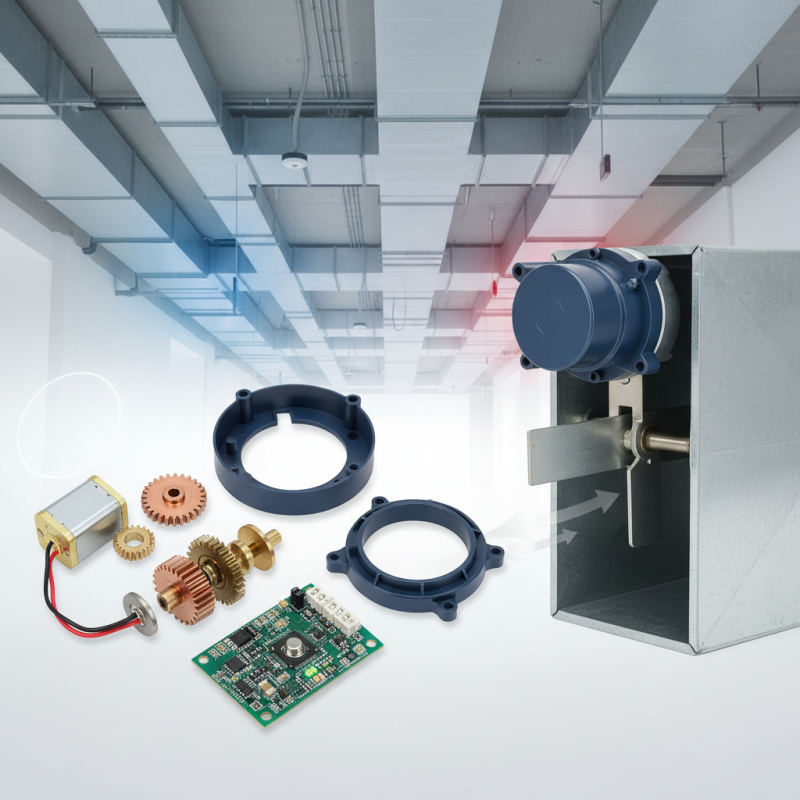
Mechanically, damper actuators function using either electric motors or pneumatic pressure. As electrical signals come in, the motor rotates. It turns the connected damper blade to the desired position. This can be fully open, partially closed, or anything in between. Pneumatic actuators, while effective, may sometimes struggle with precise control.
Within these mechanisms, there are often components like gears and linkages. They help in translating motion accurately. Sometimes, the response can be slower than desired. Fine-tuning these elements can be tricky. If they wear out, maintenance becomes necessary. Observing performance is key to ensuring optimal operation. Understanding these intricacies allows for improved designs and reliability in future applications.
Damper Actuator Performance Analysis
This chart displays the torque output (in Nm) of different types of damper actuators under varying operational conditions. The values represent typical performance measurements across various actuator models.
The Role of Sensors and Controls in Damper Actuators
Damper actuators are crucial for regulating airflow in HVAC systems. They work by adjusting the position of dampers, which control the volume of air entering or exiting a duct. Sensors and controls play a vital role in this process. They ensure that the damper actuator responds accurately to changes in temperature and air pressure.
Modern damper actuators often utilize feedback sensors. These sensors provide real-time data on the damper's position. Reports indicate that integrating smart sensors can improve system efficiency by up to 25%. Many systems now feature adjustable controls. These allow for fine-tuning airflow based on specific requirements. However, improper calibration can lead to energy waste and inefficiency.
Control systems also need to be user-friendly. They should facilitate adjustments without complexity. Yet, many operators struggle with confusing interfaces. Additionally, poor sensor placement can yield inaccurate readings. This may disrupt airflow regulation and lead to discomfort in buildings. Awareness of these factors is essential for optimizing damper actuator performance.
Maintenance Practices for Damper Actuators
Proper maintenance of damper actuators is crucial for optimal performance. Regular inspections help identify wear and tear. Actuators can develop issues due to environmental factors. Dust and humidity may cause mechanical failure. A dirty actuator can lead to inefficient airflow control. It's vital to clean the components consistently.
Lubrication is another critical aspect. Using the right lubricant prevents friction. However, over-lubricating can attract dirt. This creates more problems than it solves. Check the manufacturer's guidelines for the specific lubricant type. Also, regular testing of the actuator’s response is essential. It ensures that the system reacts properly.
Training personnel is often neglected. Workers should understand how damper actuators function. Proper knowledge helps in identifying potential issues early. Occasionally, they overlook minor problems. These can escalate if not addressed.Regular training sessions can enhance awareness. Keeping records of maintenance can also help in evaluation. It creates a history to refer back to during inspections.