Essential Tips for Choosing the Best Dashboard Camera?
Choosing the best Dashboard Camera is essential for any driver seeking safety and peace of mind on the road. A dashboard camera, or dash cam, captures footage of your journey. This footage can serve as critical evidence in the event of an accident. With countless options available, selecting the right dashboard camera can be overwhelming.
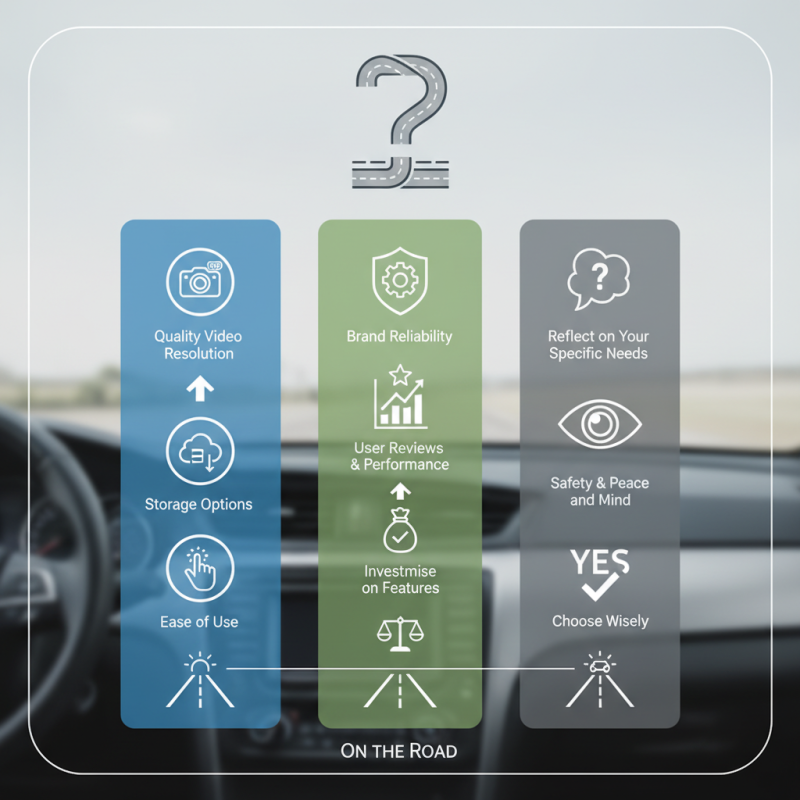
Consider the features that matter most. Quality video resolution, storage options, and ease of use are key factors. It’s also important to think about the reliability of the brand. Look for established manufacturers known for their expertise in automotive technology. User reviews can shed light on the camera's performance and durability.
While price is a factor, don't compromise on essential features. A cheaper dashboard camera may lack quality or reliability. The investment in a good dashboard camera can protect you in unexpected situations. Reflect on your specific needs before making a decision. This will help you choose wisely for your safety.
Understanding the Purpose and Benefits of Dashboard Cameras
Dashboard cameras serve essential purposes, enhancing drivers' safety and providing peace of mind. They capture real-time footage of the road and surrounding areas. This footage can be invaluable during accidents or disputes. A reliable camera captures license plates and crucial details, supporting drivers if they face legal issues.
The benefits of dashboard cameras extend beyond accident footage. They can also deter reckless driving and provide evidence of road conditions. Many drivers have reported feeling more secure knowing their journeys are recorded. However, selecting the right camera requires careful consideration. Features like resolution, field of view, and ease of use play significant roles in performance.
Different road environments can affect camera effectiveness. A camera may struggle in low-light situations. Drivers should test camera features under various conditions. This reflection is crucial in ensuring you select a dependable device. Ultimately, understanding the purpose and benefits of dashboard cameras empowers drivers to make informed choices.
Comparison of Dashboard Camera Features
Key Features to Consider When Choosing a Dashboard Camera
When selecting a dashboard camera, key features are essential. Resolution plays a major role. A camera with at least 1080p resolution provides clear footage. Studies show that 70% of drivers prefer high-definition recordings for evidence in accidents.
Field of view is another important feature. A wider angle, ideally 140 degrees or more, captures more surroundings. This can help in identifying details in case of an incident. Additionally, look for models with night vision. According to industry data, night vision can enhance visibility by up to 50% in low-light situations.
Consider storage capacity too. A good dash cam should support at least 64GB of storage. This allows for extended recording without losing important footage. Features like loop recording are also beneficial, as they prevent overwriting crucial data. Read user reviews to gather information about durability and reliability, as some models may fail in extreme temperatures.
Types of Dashboard Cameras and Their Uses
When selecting a dashboard camera, understanding the various types available can help you make an informed choice. There are primarily two types: single-channel and dual-channel cameras. Single-channel cameras focus on the road ahead, capturing essential driving footage. Dual-channel cameras provide added security. They capture both the front and rear views, ensuring a comprehensive record. According to a recent industry report, around 60% of consumers prefer dual-channel cameras for their all-around coverage.
Consider how you will use the camera. If your main goal is to document road incidents, a single-channel camera may suffice. However, for ride-sharing drivers or families, a dual-channel option might be more effective. Some cameras even offer advanced features such as night vision and GPS tracking. A study highlighted that models with these features can increase user satisfaction by 40%.
Price varies significantly among models. Budget options may lack essential features, while pricier models offer superior performance. Be aware that not all expensive cameras guarantee higher quality. It's crucial to research and compare specifications. Reviews often mention issues with user interfaces or software glitches. A product may look impressive on paper, yet real-world performance can differ. Seek trustworthy reviews to ensure you choose wisely.
Factors Affecting the Quality of Dashboard Camera Footage
When selecting a dashboard camera, the quality of footage is paramount. Several factors influence this quality. Resolution is one key aspect. High-definition cameras capture clearer images. However, some users may overlook this detail and settle for lower resolution options. The clarity of recordings can make a significant difference during incidents.
Another important consideration is the lens quality. Cameras with wider lens angles can capture more of the surroundings. This feature helps in ensuring that all critical moments are recorded. Yet, some users might find themselves caught between a high angle and distorted images. Clarity comes with a price; make sure to weigh your options carefully.
Lighting conditions also impact footage quality. Good cameras perform well in low light and bright environments. Nighttime footage can become grainy in lower-quality models. Many people do not test cameras in various lighting, leading to unexpected results. Evaluating performance in diverse situations is crucial before making a purchase.
Essential Tips for Choosing the Best Dashboard Camera
| Factor | Description | Impact on Footage Quality |
| Resolution | Higher resolution provides clearer and more detailed images. | Directly affects clarity; 1080p is standard, while 4K offers higher detail. |
| Field of View | Wider field of view captures more area, including blind spots. | Affects situational awareness; 120° to 180° is ideal. |
| Low Light Performance | Cameras with good low light performance record better video at night. | Critical for night-time recordings; infrared and larger sensors help. |
| Image Stabilization | Reduces shake and enhances stability of footage while driving. | Improves overall footage quality during bumpy rides. |
| Storage Capacity | Larger storage allows for longer recording times without overwriting. | Determines how much footage can be kept before looping. |
| GPS Functionality | Records location and speed data, useful for accident reports. | Provides essential contextual information for footage. |
| Ease of Installation | Simple installation ensures the camera is set up correctly and securely. | Affects usability; poor installation can lead to missed recordings. |
Budget Considerations for Buying a Dashboard Camera
When considering the purchase of a dashboard camera, budget is a crucial factor. According to recent industry reports, quality dash cams typically range from $50 to $300. Lower-end models may lack essential features, while premium options often offer advanced technology. It’s important to balance cost with functionality to ensure you’re not sacrificing crucial features for savings.
Many users overlook the total cost of ownership. Besides the initial purchase price, consider additional expenses. Higher quality cameras may require more investment upfront but can save you money in the long run due to better durability and features like accident detection or cloud storage. Evaluate your needs carefully before making a decision.
Here are some tips to help you in your selection process. Evaluate what features are essential for you. Capture quality is vital; a good camera should record in at least 1080p. Check for reliable customer reviews and expert opinions. These sources can guide you toward more informed choices and help mitigate potential regrets later. Take your time to research models carefully before committing.