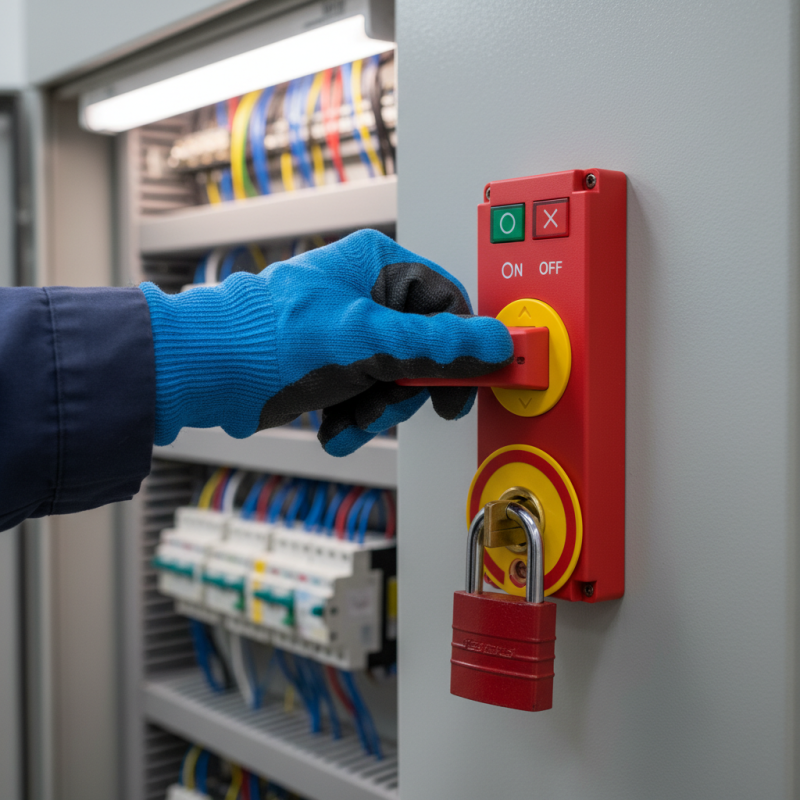
Essential Tips for Using an Isolation Switch Effectively?
Isolation Switches are essential tools in electrical systems. They serve to disconnect power and enhance safety during maintenance. As industry expert John Smith states, "An isolation switch is a vital line of defense in electrical safety." Using these devices effectively can prevent accidents.
Many users overlook the importance of proper training. It’s easy to assume that turning off a switch is sufficient. However, understanding the switch’s functionality can make a significant difference. Consider the potential risks if it's misused. Small oversights can lead to serious issues.
Additionally, regular inspections are often neglected. An isolation switch may appear functional, yet underlying problems can exist. Taking time to evaluate the switch can save lives. Ensuring reliability enhances safety and promotes a culture of responsibility. A thoughtful approach to isolation switches is critical for every electrical team.
Understanding Isolation Switches: Definition and Functionality
Isolation switches are crucial in electrical systems. They serve the primary purpose of ensuring safety during maintenance. By disconnecting power sources, they prevent accidents. According to industry reports, proper usage of these switches can reduce electrical accidents by up to 70%. Understanding how these devices work is essential for anyone in the field.
An isolation switch typically cuts off the electrical supply to equipment. This functionality is vital for maintenance tasks. Users should be aware that isolation does not guarantee safety unless certain procedures are followed. Always check indicators before and after switching. Additionally, it is recommended to use personal protective equipment during operation.
For effective use of isolation switches, user training is essential. Many users overlook the importance of frequent checks. Regular inspections can identify wear and tear. Keeping records of maintenance can help spot patterns in switch performance. Always report anomalies quickly. Remember: safety is everyone's responsibility.
Key Safety Standards for Isolation Switch Usage in Electrical Systems
When dealing with isolation switches in electrical systems, safety standards play a crucial role. According to a report by the International Electrotechnical Commission (IEC), compliance with IEC 60947 ensures reliable operation and protection of equipment. This standard emphasizes the importance of isolating power sources before performing maintenance. Many accidents stem from the improper use of isolation switches, highlighting gaps in training.
Understanding these key safety standards is vital. For instance, the National Fire Protection Association (NFPA) states that up to 32% of electrical accidents occur due to improper isolation practices. It is essential for operators to recognize these practices and ensure they follow guidelines. Regular training sessions can significantly improve awareness and adherence to safety protocols. Awareness can save lives and reduce equipment failure.
Practicing proper isolation techniques requires attention to detail. Workers should always verify that an isolation switch is correctly rated for the application. However, mistakes can happen. Poor labeling or unclear instructions can lead to misuse. Regular inspections should be conducted, but many facilities overlook this. Neglecting these safety checks may result in dire consequences.
Step-by-Step Guide to Proper Isolation Switch Installation Techniques
Installing an isolation switch properly is crucial for safety. Begin by selecting the right location. It should be easily accessible, ensuring quick action during emergencies. A common mistake is placing it too far from the equipment. Take note of the wiring specifications. Use cables that meet the required standards. Double-check your connections to avoid potential hazards.
Next, make sure to mount the switch securely. Use appropriate tools for the job to ensure stability. If the switch is loose, it can lead to malfunction. Pay attention to the orientation of the switch. Incorrect positioning can hinder its effectiveness. Remember that an isolation switch should be tested regularly. Many forget this step, leading to safety risks.
Lastly, label the switch clearly. This can help others understand its purpose. It’s easy to overlook the importance of communication in safety. Consider training others on its use. With clear guidelines, everyone can operate it effectively. Reflect on these practices regularly. Improvements are always possible, enhancing both safety and efficiency.
Isolation Switch Utilization in Different Industries
Common Mistakes and Misconceptions in Isolation Switch Operations
Isolation switches play a critical role in electrical safety. However, many operators overlook essential practices. One common mistake is failing to ensure that the switch is properly rated for the specific application. According to industry reports, nearly 30% of electrical accidents involve incorrectly specified switches. This oversight can lead to equipment failure or even hazardous situations.
Another common misconception is that an isolation switch can be operated under load. This is dangerous. Industry guidelines indicate that switches should only be operated when de-energized. Surprisingly, 25% of professionals admit they sometimes perform this risky practice, often due to time constraints.
Additionally, regular maintenance is often neglected. Many users believe that once installed, no further action is required. However, technical reports suggest that routine inspections and tests can prevent up to 40% of malfunction cases. This neglect not only jeopardizes safety but can also lead to costly repairs. Understanding these pitfalls is vital for effective isolation switch operations.
Maintaining and Testing Isolation Switches for Optimal Performance
When working with isolation switches, maintenance is key. Regular cleaning is essential to remove dust and debris. This prevents short circuits and ensures the switch operates smoothly. Visual inspections should be routine. Look for signs of wear or corrosion. These can lead to failures if overlooked.
Testing the performance of isolation switches can be tricky. Use a multimeter to check the continuity. Ensure the switch opens and closes properly. Not all operators remember to perform these checks regularly. It's easy to assume everything is functioning well. However, neglecting these tests can lead to safety risks.
Documentation is also an important aspect of maintenance. Keeping logs of inspections and tests aids in identifying patterns. This can help to highlight recurring problems. It's not just about fixing issues as they arise. Taking time to reflect on past performance is crucial for optimal usage.